
How to Reduce Inflammation
Here are the factors that actually matter most according to research.
1. Muscle and resistance training
Strength training is one of the strongest anti-inflammatory interventions.
Why:
- contracting muscles release myokines that suppress inflammatory cytokines
- improves insulin sensitivity
- reduces visceral fat (a major inflammatory driver)
Evidence consistently shows people doing regular resistance exercise have lower CRP.
2. Maintain stable blood sugar
Frequent glucose spikes increase inflammatory signalling.
Practical strategies:
- protein with every meal
- fibre (vegetables, legumes, oats)
- avoid large refined carbohydrate loads alone
- walk after meals
3. Omega-3 fats
Omega-3 fatty acids reduce inflammatory signalling molecules.
Strong sources:
- salmon
- mackerel
- sardines
- walnuts
- flax or chia
Typical anti-inflammatory intake in studies: 1–3 g EPA/DHA daily.
4. Polyphenols and plant compounds
These regulate inflammatory pathways and oxidative stress.
Most effective foods:
- berries
- olives / olive oil
- green tea
- turmeric
- cocoa (dark chocolate)
- leafy greens
- herbs and spices.
Mediterranean-style diets consistently lower CRP.
5. Sleep
Sleep deprivation raises inflammatory cytokines.
Aim for:
- 7–8 hours
- consistent timing
- minimal evening light exposure.
6. Body fat distribution
Visceral fat (around organs) produces inflammatory molecules like IL-6 and TNF-α.
Even small reductions improve inflammatory markers.
Strength training plus walking is the most effective combination.
7. Stress regulation
Chronic psychological stress increases inflammatory signalling via cortisol dysregulation.
Evidence-based tools:
- breathing practices
- meditation
- time in nature
- social connection.
8. Gut health
The gut microbiome strongly influences systemic inflammation.
Helpful foods:
- fermented foods (yogurt, kefir, kimchi, sauerkraut)
- fibre (vegetables, legumes, oats)
- resistant starch (potatoes, cooled rice).
Important point
Inflammation is not always bad.
You actually need short bursts of inflammation to:
- repair muscle
- stimulate bone formation
- heal tissue.
The problem is chronic low-grade inflammation, not the normal inflammatory response to training or injury.
Many people think inflammation is always harmful. In reality, bone actually depends on controlled inflammation to renew itself.
We hope you have gained something from this blog about bone turnover and inflammation. We discuss all of this and more in a solution focused and practical way in our Osteo programmes. You can check out the timetable for in person and online classes here or see the links for each class below.
Stay Strong! Advance with courage
Sinead & the Village Wellness Team
Check out our upcoming Osteo Fit & Strong Courses near you & Online!
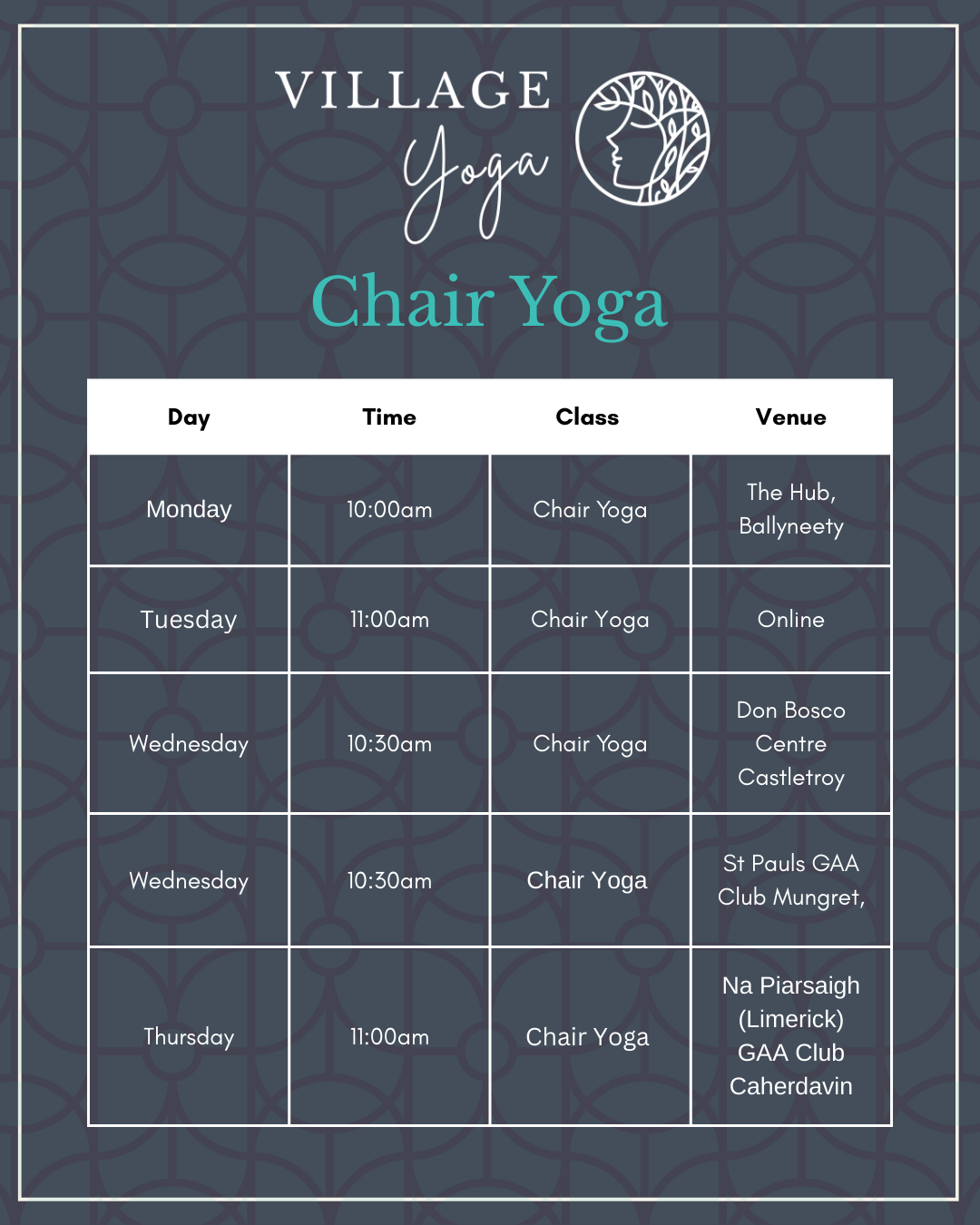
Maybe you would prefer to start with Chair Yoga
Chair Yoga can be a great place to begin your strength training journey!
Join our mailing list to be the first to hear when the next course dates are released.